Home / SLS 3D Printing

Formlabs Fuse, support-free nylon

SLS nylon parts, designed or reverse engineered here, printed here.

SLS printing for parts that go into service. The part is designed here, or scanned and rebuilt here, then fused in Nylon 12, Nylon 11 CF or TPU on the Formlabs Fuse, with no supports to break off and no support marks to hide. One quote, one drawing, one shop responsible for the result.

No supports, no support marksNylon 12, 11, 11 CF and TPU 90A1 part to hundredsQuote in one business day

Why SLS here

The nylon part, with the engineering that makes it right.

Support-free geometry

Unfused powder holds the part, so hinges, snap fits, ducts and interlocking assemblies print in one piece with nothing to break off.

Isotropic nylon

Nylon 12 pulls the same in every axis, so the part survives handling, drops and assembly in service, not only on the demo table.

Repeat runs that repeat

Same file, same settings, a record per batch and scan verification on request. The reorder matches the first order.

Start from a part, not only a file

No CAD? The part is scanned, the model is rebuilt and you own it, then it prints. Design and reverse engineering are the same shop as the printer.

CETS runs SLS printing in Puerto Rico on the Formlabs Fuse, for design and manufacturing engineers who need a nylon part that goes into service and stays there. Selective laser sintering fuses nylon powder with a laser, and the powder around the part supports it, so there are no support structures, no support marks and no orientation limits on living hinges, snap fits or interlocking assemblies. Four powders cover the work: Nylon 12, Nylon 11, carbon filled Nylon 11 CF and flexible TPU 90A.

It is an SLS 3D printing service with the engineering attached: SLS prototyping while the design is still moving, nylon 12 3D printing for end use once it is not, and reverse engineering when the part exists but the file does not. Each part is reviewed before it prints, and critical dimensions are measured against the model after, so a short run of fifty is fifty of the same part. The wider additive manufacturing page compares both processes side by side.

What SLS is for

The parts that want powder, not resin.

  • Support-free geometry: interlocking assemblies, hollow parts and internal channels print in one piece
  • Isotropic Nylon 12 for parts that take load in every direction, not only along the layer
  • Nylon 11 CF where stiffness matters: brackets, guards and metal bracket replacement at a fraction of the weight
  • TPU 90A for flexible ducting, grips, bellows and protective covers
  • End use parts and short runs, from one part to several hundred nested in one build
  • Living hinges and snap fits that survive repeated cycles, printed in the final material
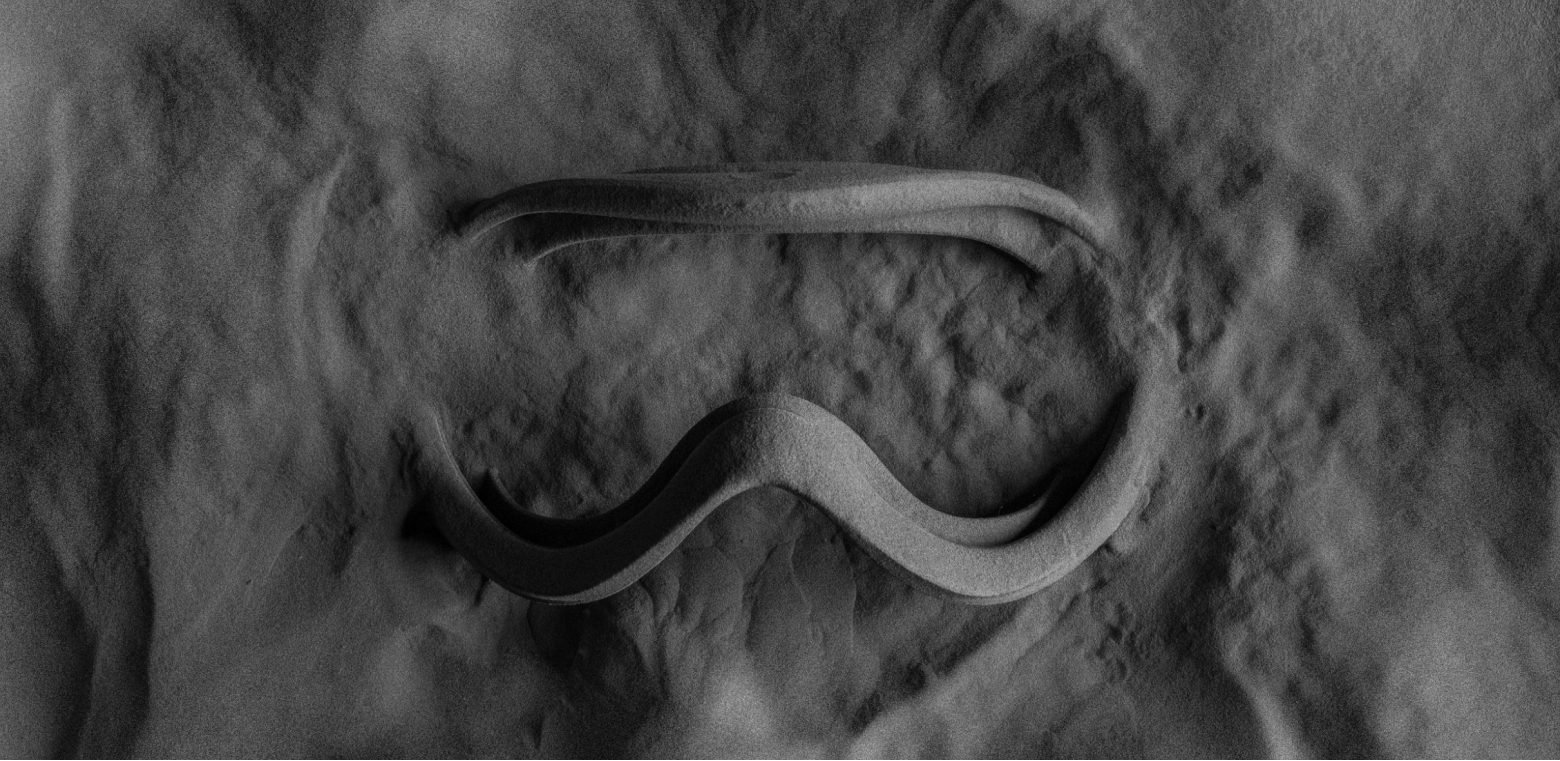
A nylon part half buried in unfused SLS powder on the Formlabs Fuse
Powders
Nylon 12, 11, 11 CF, TPU 90A
Prototypes
3 to 5 working days
Reverse engineering
5 to 10 working days
Written quote
One business day

Powders

Four powders, chosen by how the part will fail.

Each powder is a Formlabs material with a published technical data sheet. We send the data sheet with the quote so your quality group reads the numbers, not our description of them.

PowderPropertyExample partMaterials page
Nylon 12Balanced strength and detail, low moisture uptake; the general end use nylonEnclosure with a snap fit lidNylon 12
Nylon 11Higher ductility and impact resistance, less brittle at thin sectionsLiving hinge clipNylon 11
Nylon 11 CFCarbon fibre filled; the stiffest and most heat resistant of the fourMetal bracket replacementNylon 11 CF
TPU 90AFlexible, abrasion and tear resistant, printed without supportsFlexible duct or gripTPU 90A

Glass filled Nylon 12 GF is available for specific applications; ask and we confirm before quoting.

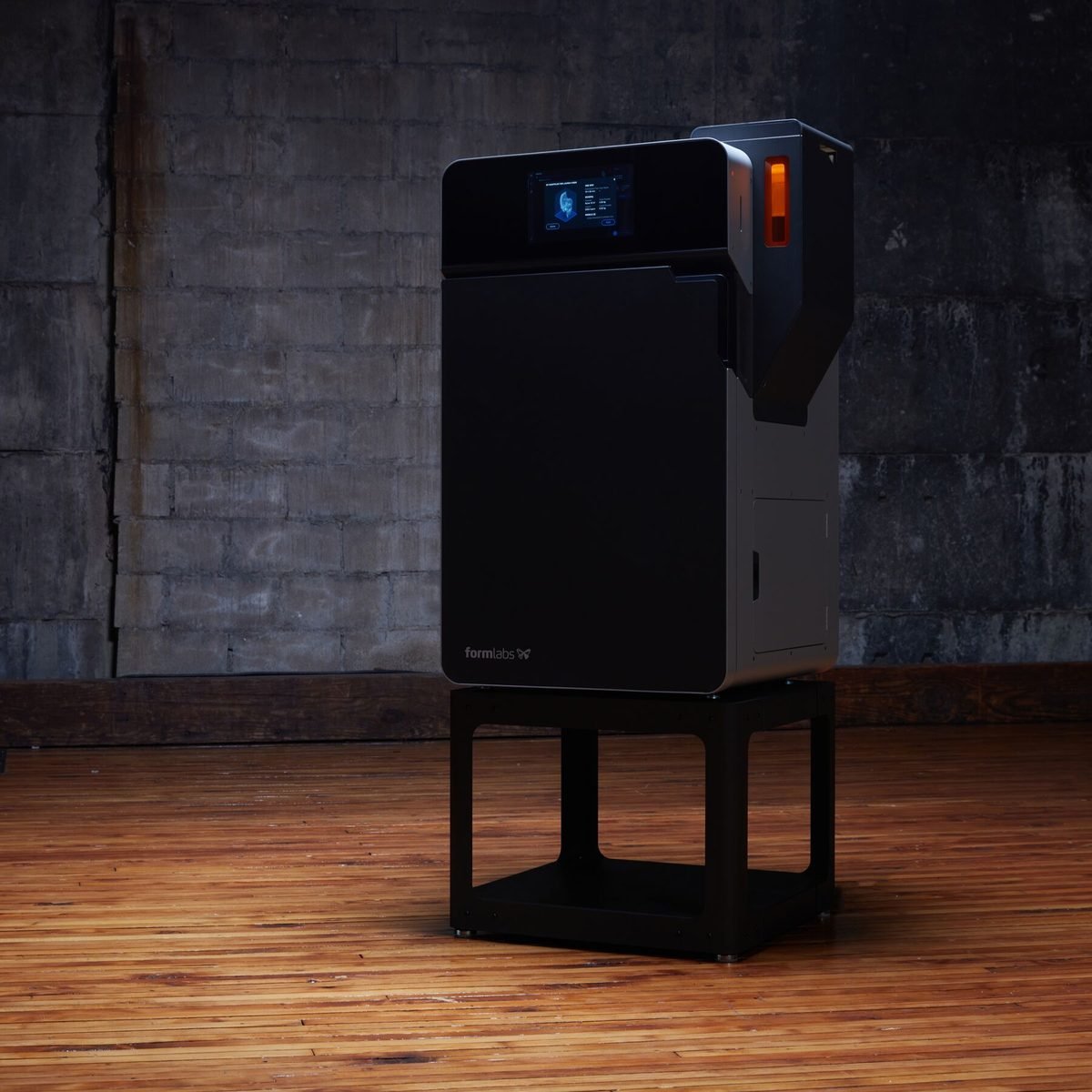
A Formlabs Fuse SLS printer beside its powder recovery station

Repeat runs

The tenth batch matches the first.

A short run is only useful if the reorder is the same part. Every batch on the Fuse runs from the same file at the same settings, and what was run is written down, so the part your line approved is the part it keeps receiving.

  • Same file: the released revision, under its part number, with no silent edits between batches
  • Same settings: powder, layer height and build parameters held from the approved run
  • Record per batch: date, powder lot and quantity, kept with the part number
  • Scan verification available: critical dimensions measured on the MetroY Ultra, with a written record
3D scanning and inspection

SLS in use

What the process looks like on a line.

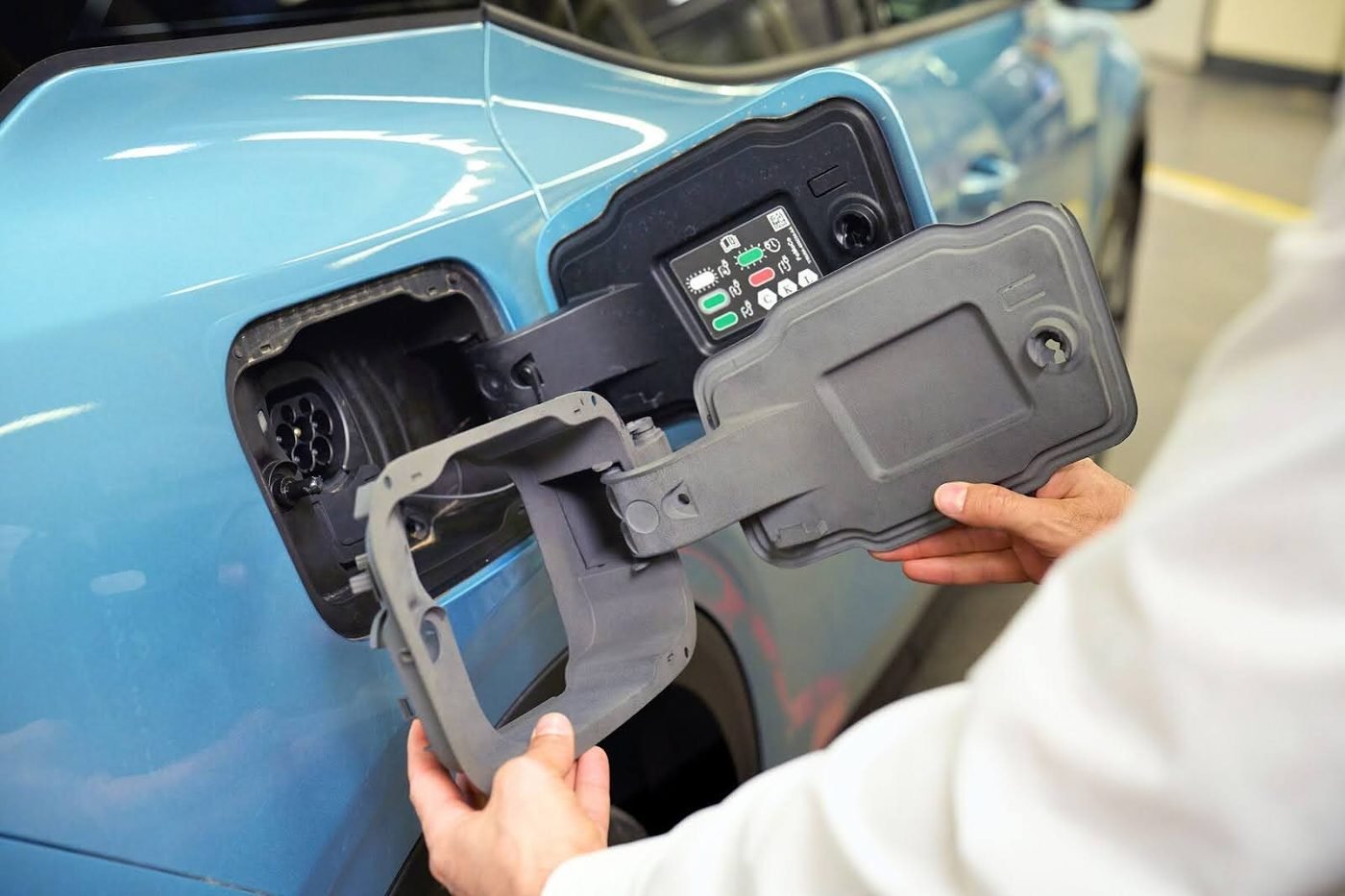
Nylon SLS parts printed on the Formlabs Fuse, from a Formlabs customer story with Ford
Formlabs customer story

Ford: nylon parts on the Fuse

Formlabs documents how Ford uses Fuse SLS nylon for tooling and low volume parts. The story is theirs; the process and the powders are the same ones on this page.

The process

One laser, one bed of powder

Each layer is fused into the one below it, and the powder that is not fused holds everything in place until the build cools and the parts are lifted out.

Engineering first

One shop designs it, checks it and makes it.

  • Design review before anything prints: material, orientation, tolerances and how the part will fail.
  • Scan verification after: the finished part measured against the model on the MetroY Ultra, with a written record.
  • A drawing and the CAD you own, so the next order is a reorder, not a second engineering job.
  • Design and build, or reverse engineer and build, under one roof, in Puerto Rico and for the US mainland.

CETS serves Puerto Rico and the US mainland, with international service available.

Puerto Rico US mainland International

FAQ

Common questions

When is SLS the right process for my part?

A laser fuses nylon powder layer by layer, and the unfused powder supports the part, so there are no support structures and no support marks. It is the right process for end use parts, snap fits, living hinges, interlocking assemblies and short runs. For fine features, smooth surfaces or clear parts, SLA is usually the better fit, and we say so on the quote.

Which powders do you run on the Formlabs Fuse?

Nylon 12 for general end use parts, Nylon 11 for ductility and impact, Nylon 11 CF for stiffness where a metal bracket is being replaced, and TPU 90A for flexible parts. Each is a Formlabs material with a published technical data sheet that travels with the quote.

How consistent are repeat runs?

Every part in a batch, and every reorder, runs from the same file at the same settings, with a record kept per batch. On request, critical dimensions are verified by scan on the MetroY Ultra and written down, so the tenth batch can be compared with the first.

What surface finish do SLS parts have?

A matte, slightly grainy surface, uniform on every face because there are no supports. Parts can be media blasted, dyed black or sealed if the application needs it. If a smooth or clear surface is the requirement, that is an SLA part.

Send the part. We will tell you the powder, the quantity per build and the date.

A CAD file, a drawing or a photo of the part is enough to start. The written quote arrives in one business day, with the data sheet for the powder we recommend.

Inquire now

Send us a plan. We’ll 3D print it for you.

A drawing, a CAD file or a photo of the part is enough to start. We reply with a written quote in one business day.

Prefer to talk? (787) 000-0000 · hola@cetsllcpr.com

We reply within one business day.