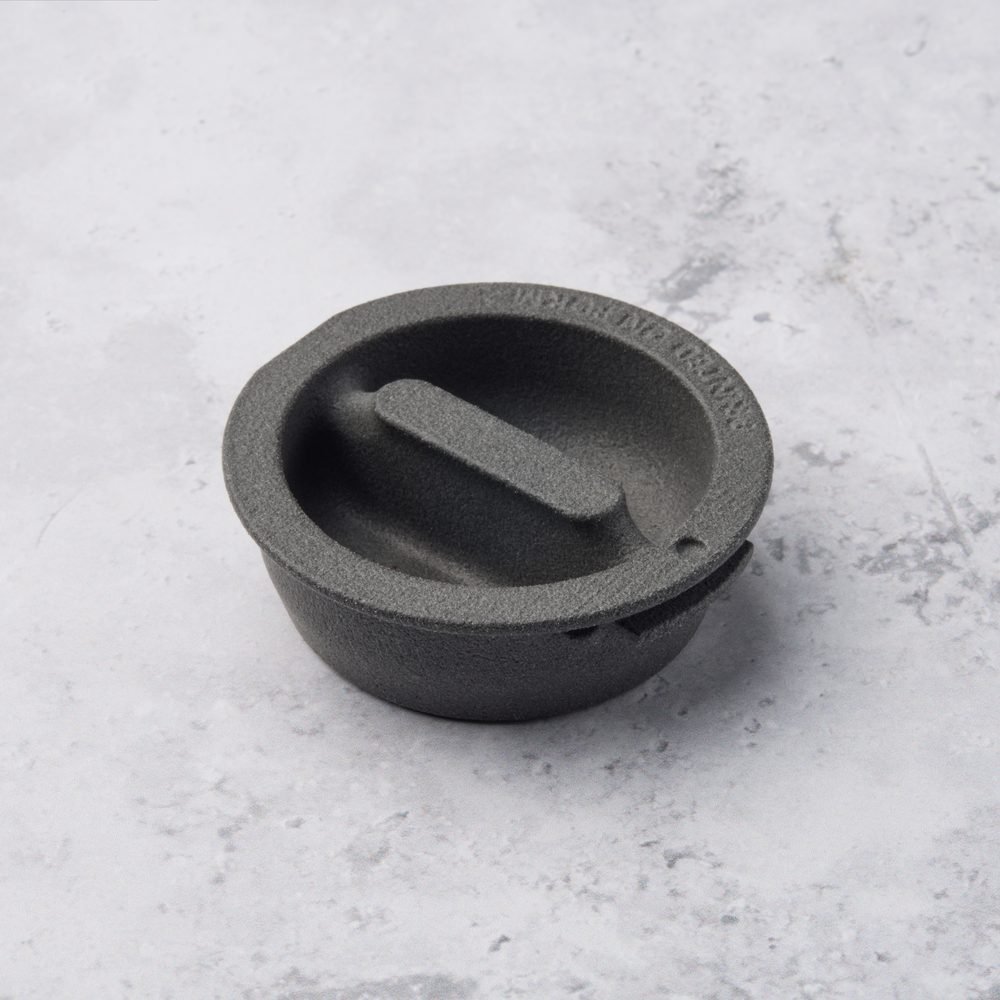
A printed nylon cap with a keyed boss, the kind of small housing part electronics lines order every week

Home / Electronics

From board file to fitted enclosure

Custom enclosures and ESD-safe fixtures for electronics.

A custom electronics enclosure from your STEP or PCB outline in 3 to 5 working days, in ESD Resin, Flame Retardant or Tough 2000. Then the carriers, trays, harness boards and test fixtures the line runs on, all from the same board file.

Quote in one business dayESD and flame retardant resinsFit confirmed by scan

Why electronics teams send us the board

The housing should never be the long pole.

Board file in, enclosure out

We model the enclosure around your STEP or PCB outline, with connector cutouts, standoffs and a lid, and print it in 3 to 5 working days.

Materials that belong near a board

ESD Resin for anything that touches a populated board, Flame Retardant where a rating matters, Tough 2000 for the housing that gets dropped.

Fit checked before it ships

The finished enclosure is scanned and compared to the model, so the board drops in on the first try instead of the third.

The CAD and the drawing are yours

Every enclosure leaves with STEP and native files, a part number and a revision letter, so the next batch is a reorder.

CETS designs and prints the custom electronics enclosure your product needs, along with the ESD-safe carriers, harness boards and test fixtures the assembly line needs to build it. Custom plastic enclosures start from the board file, not from a catalog box you have to design around, so the connectors land where your layout put them and the standoffs match your mounting holes. Work is quoted, built and documented in English or Spanish, with a material data sheet and a dimensional record on every job.

What we make

For the product and for the line that builds it.

  • Enclosures and bezels modelled from your board file, with connector cutouts, standoffs, lid and label recess
  • ESD-safe carriers and trays that move populated boards between stations without contact damage
  • Harness boards with pegs and clips laid out from your wiring drawing, so every harness is built the same length
  • Test fixtures and pogo-pin nests that locate the board on its own holes and hold the probes where the test points are
  • Connector housings and strain reliefs for the cable that keeps breaking at the same place
  • Snap-fit lids and living hinges, sized for the material they are printed in, so they survive the hundredth opening

For teams new to 3D printing electronics parts, the first job is usually a carrier or a test fixture. It proves the material on the line before a housing goes on the product.
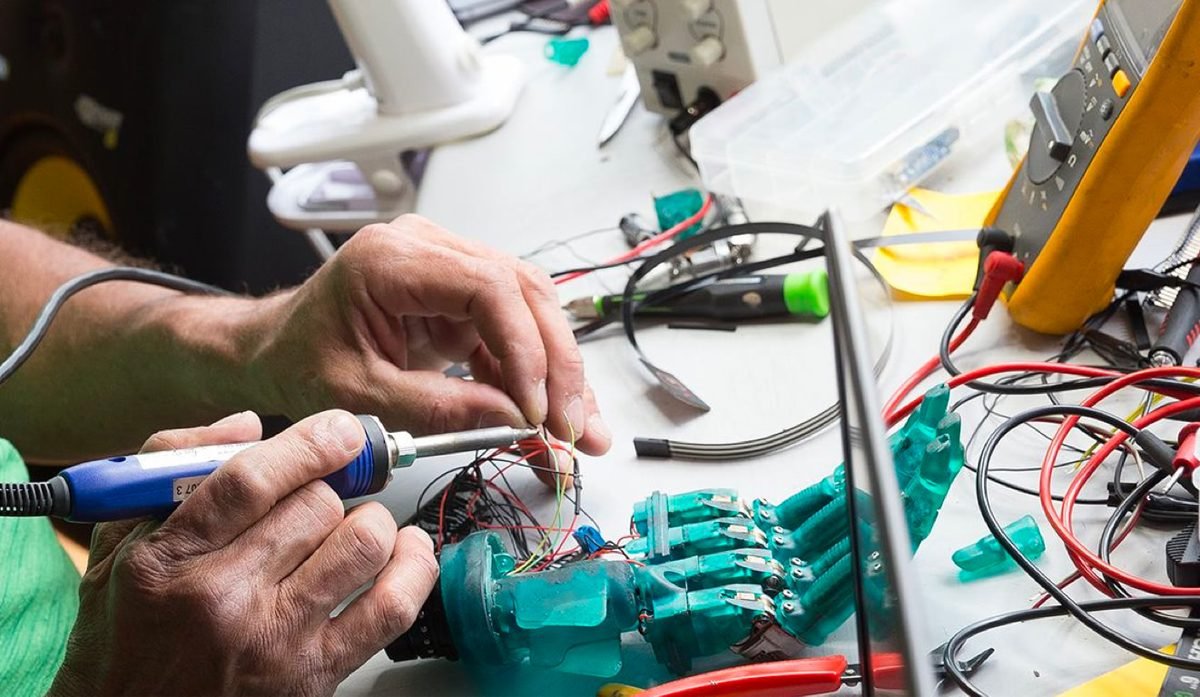
Hands soldering wiring into a printed part on an electronics bench, with a multimeter and power supply behind

Enclosures

From board file to fitted enclosure in days.

Send the STEP of the assembled board, or a PCB outline with the tallest components and connector positions marked. We model a custom enclosure around it, print it, and check the fit before it ships. Version two, when the layout moves, is a file edit and a reprint.

  • Walls. 1.5 to 2 mm for a handheld housing in Tough 2000 or Flame Retardant; thicker where the rating was tested, thinner only on a bezel that nothing loads
  • Bosses and inserts. Standoffs sized for heat-set brass inserts from M2 to M4, with the boss wall proportioned so the insert does not split it
  • Clearances. Connector openings and LED light pipes cut with the clearance the process actually holds, not the clearance the catalog box guessed
  • Scan check. The finished enclosure is scanned on the Revopoint MetroY Ultra CMM Edition and compared to the model, so you see the deviation map before the board goes in
How the scan check works

Materials

Five materials cover most of an electronics floor.

ESD safe 3D printing is the difference between a fixture the line can use and one it cannot. The full list, with the data sheet for each, is on the materials page.

MaterialUse it whenProcess
ESD Resin The part touches a populated board: carriers, trays, pogo-pin nests, handling fixturesSLA · Form 4B
Flame Retardant The enclosure sits near a heat source or needs a UL 94 V-0 rated material on fileSLA · Form 4B
Tough 2000A handheld housing, a snap-fit lid, a strain relief: anything that gets dropped or flexedSLA · Form 4B
ClearA window over an indicator, a light pipe, or a housing you want to see the board through during bring-upSLA · Form 4B
Nylon 12Short production runs, living hinges and snap fits that must survive thousands of cyclesSLS · Formlabs Fuse

The Formlabs technical data sheet for the exact material ships with every part.

CETS serves Puerto Rico and the US mainland, with international service available.

Puerto Rico US mainland International

FAQ

Common questions

What do you need from me to start an enclosure?

A STEP of the assembled board is ideal. A PCB outline export with the tallest components and the connector positions marked is enough. If all you have is the bare board, send it and we scan it. We come back with a written quote in one business day and a first enclosure in 3 to 5 working days.

Is the ESD material actually static dissipative?

Yes. ESD Resin is a static dissipative engineering resin, and the surface resistance range comes from the Formlabs technical data sheet, which travels with every part. It is the material we use for carriers, trays, pogo-pin nests and any fixture that touches a populated board.

Can you make more than a prototype?

Yes. Once the enclosure fits, the same file runs as a short production batch. Tens of units run on the Form 4B in the same resin as the prototype; larger batches move to Nylon 12 on the Formlabs Fuse, where snap fits and living hinges behave best. Every reorder uses the same part number and revision.

Does a printed enclosure meet a flammability rating?

Flame Retardant Resin carries the UL 94 V-0 rating published on its Formlabs data sheet at the tested thickness. Whether your finished assembly passes is a question for your own test and your own file, so we send the data sheet with the part and design the walls to the thickness the rating was tested at.

Send the board file. Get the enclosure back.

A STEP or a PCB outline with the connectors marked is enough for a written quote in one business day. We answer in Spanish or English.

Inquire now

Send us a plan. We’ll 3D print it for you.

A drawing, a CAD file or a photo of the part is enough to start. We reply with a written quote in one business day.

Prefer to talk? (787) 000-0000 · hola@cetsllcpr.com

We reply within one business day.